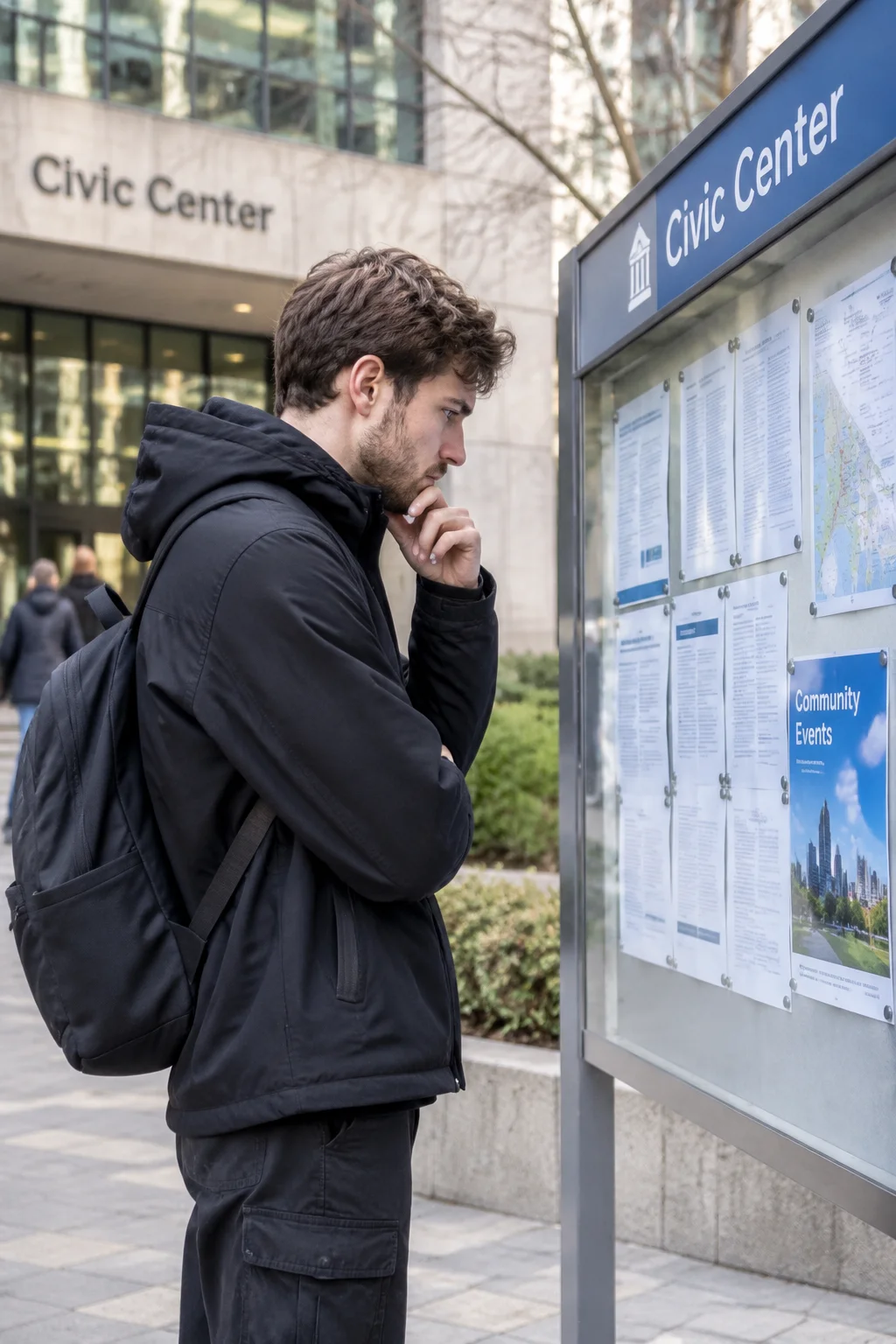
Figure I — Curated documentation representing Civic Guidance
Standard
Protocol 4A
Intake Verification Framework
Scope
Regional Wide
Departmental Coordination
Review Cycle
Semi-Annual
Procedural Review Cycle
Navigating public services efficiently demands a clear grasp of departmental workflows, sequential filing, and documented prerequisites. When community members encounter complex civic structures, proactive preparation and meticulous record assembly prevent extended waiting periods.
CHAPTER II — FRAMEWORK & OBSERVATION
Deciphering Administrative Structures and Intake Protocols
Local public agencies establish distinct routing pathways for community inquiries, municipal housing registrations, and educational development assistance. Recognizing how these departments intersect enables residents to gather verified records prior to submitting inquiries. Administrative staff process organized dossiers with significantly fewer follow-up requests, allowing families to secure vital neighborhood support swiftly.
Delays frequently stem from incomplete submittals or mismatched identity verifications. Public offices operate under structured guidelines that require exact document alignment. Maintaining organized digital copies alongside physical records minimizes repetitive agency visits and establishes an accountable paper trail across civic offices.
“Systematic preparation transforms complex civic procedures into manageable steps, restoring confidence for every community member seeking public engagement.”
— Maria Gonzalez•Senior Civic Navigator & Community Coordinator
CHAPTER III — STRATEGIC IMPLEMENTATION
Practical Steps for Streamlining Civic Interactions
Achieving consistent outcomes across civic departments relies on adopting an organized operational routine before scheduling appointments:
Comprehensive Record Portfolio: Assemble residential verifications, municipal utility statements, and certified identification in a dedicated portfolio before contacting agency liaisons.
Direct Communication Routing: Identify the designated municipal caseworker or departmental desk rather than submitting general inquiries through omnibus web portals.
Scheduled Submission Tracking: Log confirmation reference numbers, clerk timestamps, and scheduled review milestones into an archival calendar to maintain proactive oversight.
Explore our structured support programs designed to help families and individuals navigate municipal protocols, organize documents, and build community connections.
Most municipal agencies request government-issued photo identification, recent utility bills verifying local residency, official household income summaries, and relevant guardianship or civil documentation. Keeping certified copies in a dedicated binder expedites verification interviews.
Secure an intake tracking code at the time of document submission. Inquire about the agency's formal review window and mark calendar milestones to follow up directly with the assigned intake caseworker via official email or scheduled phone calls.
Community habilitation centers, local public library advisory desks, and neighborhood advocacy hubs regularly offer non-profit navigational workshops where staff assist in reviewing forms and organizing required portfolios.