CHAPTER I — Civic Infrastructure & Public Directories|6 Min Read
Guide to Local Community Resources
Elena Rodriguez
Audited Archival Record
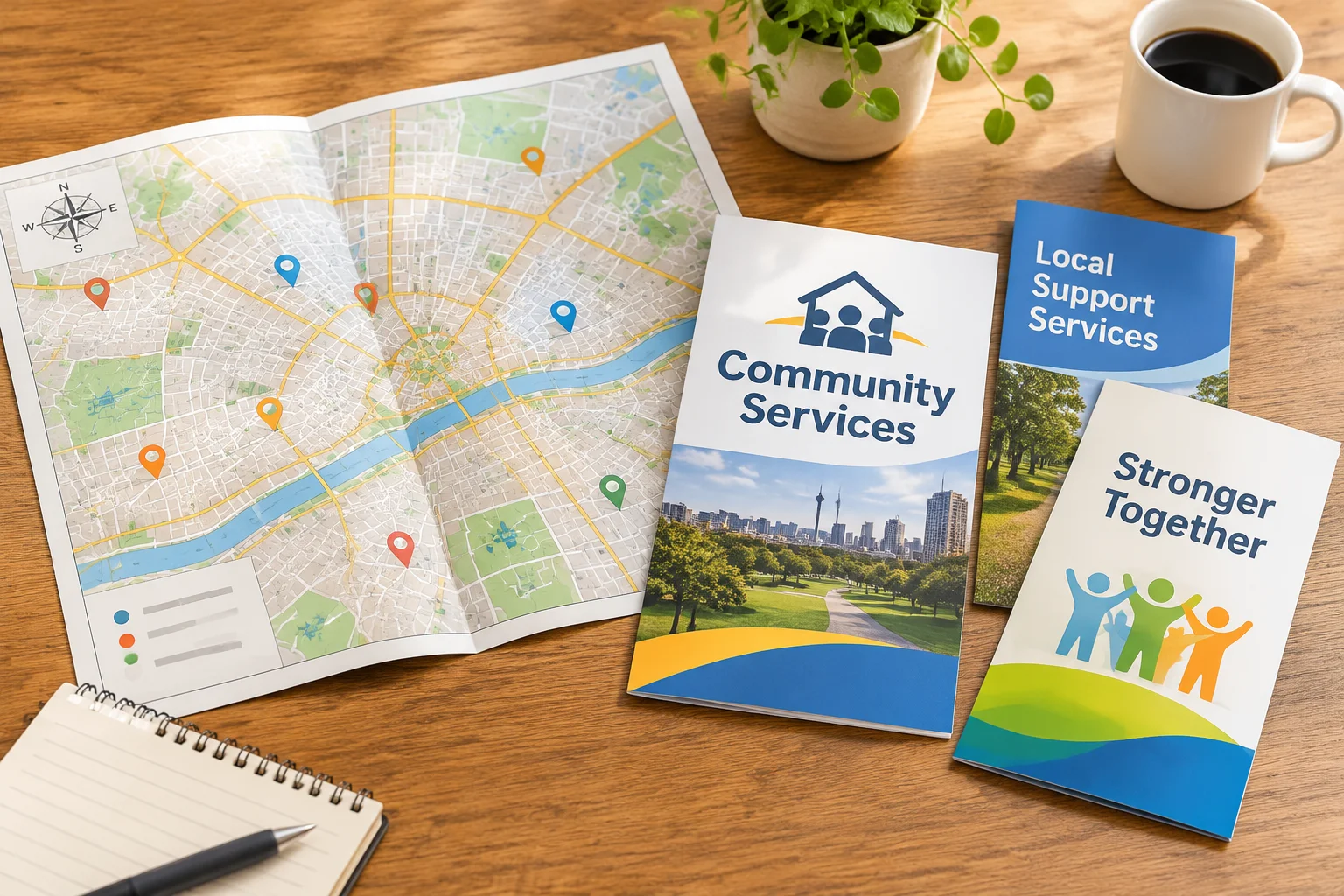
Figure I — Curated documentation representing Civic Infrastructure & Public Directories
Standard
Municipal Registry
Centralized civic directory verification
Scope
Neighborhood-Wide
Open access across all districts
Review Cycle
Bi-Monthly
Public catalog audit frequency
Navigating local community resources requires clear documentation, reliable verification, and accessible entry points for all neighborhood residents seeking active public engagement and neighborhood support.
CHAPTER II — FRAMEWORK & OBSERVATION
Centralized Civic Directories and Verified Information Desks
Locating practical community resources begins at municipal reference desks, public library archives, and neighborhood information hubs. When residents understand where civic documentation is cataloged, obtaining guidance on public recreation, skill-building workshops, and civic gatherings becomes straightforward. Many regional directories organize services by district, making it easy to identify programs within walking distance.
Community liaisons coordinate weekly bulletins that outline scheduled neighborhood meetings, open public forums, and family recreational spaces. Rather than relying on scattered bulletin boards, consolidated directories provide verified contact information, operating hours, and accessibility details so families can participate with confidence.
“Transparent access to neighborhood civic tools empowers individuals to actively shape their shared public spaces and build collective resilience.”
— Elena Rodriguez•Lead Community Coordinator
CHAPTER III — STRATEGIC IMPLEMENTATION
Structured Steps for Engaging with Local Resource Centers
Connecting with nearby civic programs involves direct interaction with local branch offices and community coordinators. Residents can optimize their participation through the following verified approaches:
Consult Municipal Information Desks: Visit local civic branches or public libraries to collect print schedules, seasonal guides, and direct coordinator contacts.
Register for Community Workshops: Attend periodic skill exchanges and neighborhood planning sessions announced through official public boards.
Engage Peer Reference Networks: Connect with experienced neighborhood volunteers who share firsthand insights into civic services, volunteer teams, and recreational schedules.
Municipal directories and neighborhood hub schedules undergo formal verification every sixty days to reflect changes in venue hours, contact personnel, and seasonal community workshops.
Printed catalogs and event calendars are distributed at municipal library branches, civic community centers, and district administrative desks during regular operating hours.
Yes, community integration workshops and neighborhood planning sessions are open to all local residents, with accommodations provided upon advance notice to the hosting branch.