Family Advocacy Circles: Establishing Continuous Dialogues
Practical protocols for family members to organize recurring roundtables, interface with educational administrators, and maintain shared advocacy documentation.
Community Habilitation Services Incorporated connects individuals and families with civic assets, peer mentorship networks, and collaborative resources to ensure lasting community inclusion.
Navigating community networks begins with systematic, relationship-centered coordination. This guide presents actionable methods for individuals, families, and neighborhood advocates seeking to strengthen communal inclusion and collaborative social infrastructure.

Sustainable community participation hinges on reciprocal relationships rather than one-sided services. Learn how our structured regional liaisons facilitate direct connections with civic organizations, public libraries, and localized accessibility committees.
Practical protocols for family members to organize recurring roundtables, interface with educational administrators, and maintain shared advocacy documentation.
Strategies for mastering regional transit routes, schedule coordination, and leveraging municipal accessibility assets to sustain complete personal mobility.
Structuring non-hierarchical peer groups where community members exchange practical life strategies, technological literacy, and shared community solutions.
A practical roadmap for participating in community garden cooperatives, neighborhood associations, and city planning feedback forums.
How to organize neighborhood arts circles, reading collectives, and accessible community festivals that celebrate neurodiversity and universal access.
Demystifying statutory habilitation frameworks, person-centered planning protocols, and how families can proactively safeguard individual autonomy.
Documented experiences of individuals and families who expanded their autonomy through our coordinated network of community habilitation partners. All accounts are presented with anonymized identifiers to protect privacy while preserving authentic insights.

“Before partnering with the peer navigation circle, my daily routine was restricted to a three-block radius. Learning the transit schedules with a dedicated habilitation mentor unlocked access to community college classes and weekly volunteer sessions at the botanical reserve.”
By establishing a structured household organization routine and practicing weekly grocery budgeting with peer mentors, E. M. successfully transitioned to an independent residence in suburban Washington.
Collaborating with our family advocacy roundtable provided the Harrison family with a clear, step-by-step roadmap to establish adult community participation schedules for their high school graduate.
After attending civic digital workshops, J. R. initiated a bi-weekly library meetup where participants assist fellow community members in setting up email accounts and navigating local civic websites.
Focused route-planning and pedestrian safety mentorship enabled S. L. to travel unassisted to volunteer commitments across two municipal transit corridors without relying on scheduled transport vans.
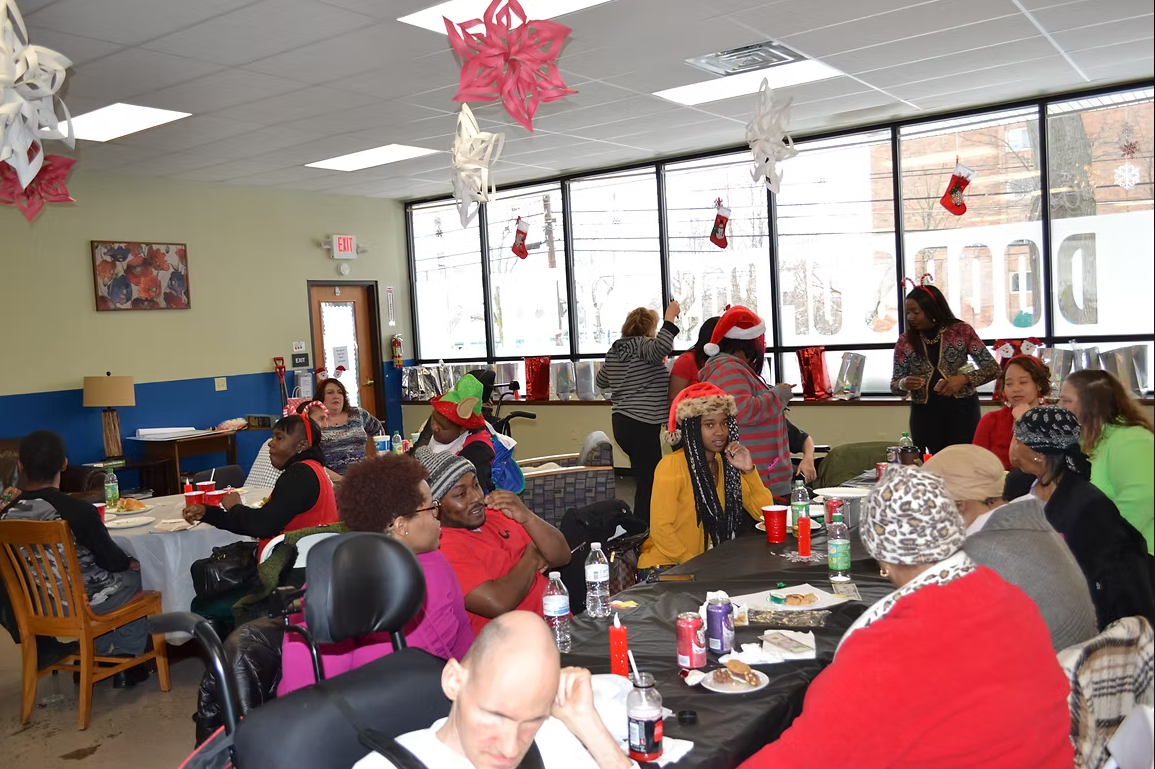
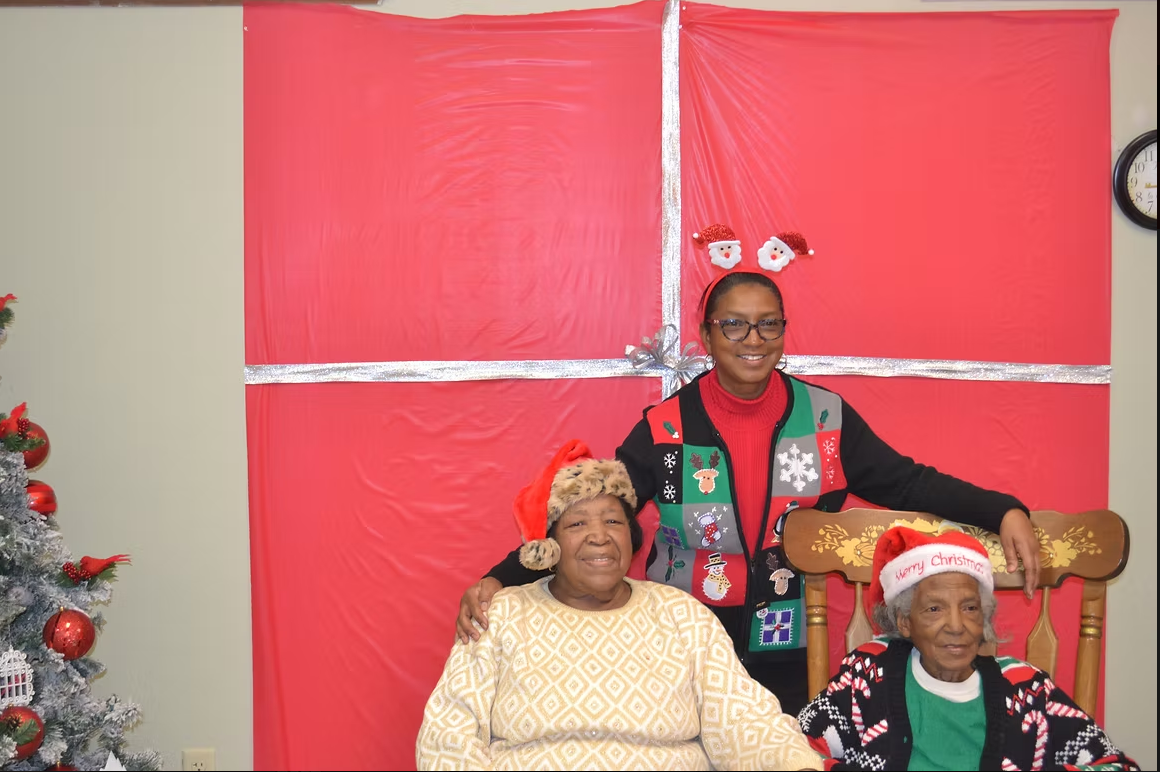
The Miller family established a neighborhood mutual-aid network that shares weekend recreational transport and organizes inclusive holiday community gatherings across four adjoining districts.
Following structured studio training, D. K. became an assistant instructor at the district art studio, demonstrating pottery shaping techniques to newly enrolled adolescent participants.
Institutional Documentation Note: All case narratives documented by COMMUNITY HABILITATION SERVICES INCORPORATED are collected under strict non-profit confidentiality guidelines. Personal names, municipal districts, and minor demographic indicators have been modified to preserve participant privacy while conveying factual habilitation outcomes. For institutional inquiries or program details, consult our About Us and Support Programs sections.