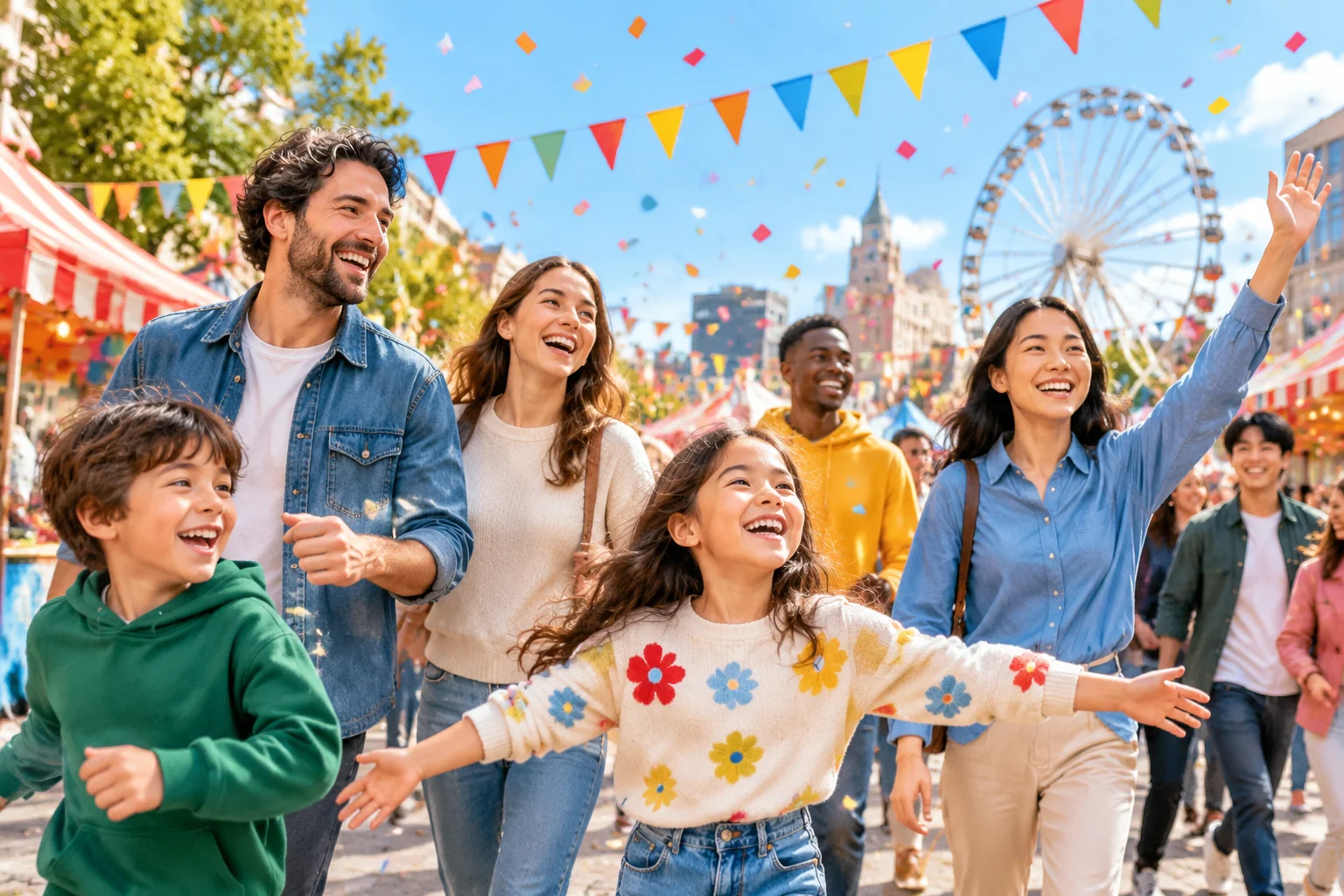
Figure I — Curated documentation representing Community Engagement
Standard
14 Districts
Municipal Reach
Scope
1,280+
Registered Participants
Review Cycle
Bi-Monthly
Advisory Review
True neighborhood resilience develops when diverse traditions, languages, and life experiences coalesce into a shared civic narrative. Across our regional centers, inclusive programs cultivate environments where every individual experiences belonging and civic validation.
Cultural diversity serves as the cornerstone of resilient community life. When civic centers bring together residents from varied heritages and walks of life, mutual understanding replaces hesitation. Structured gatherings enable neighbors to exchange personal narratives, celebrate shared regional goals, and co-create community traditions that reflect our evolving population.
Observations across our regional centers indicate that cross-cultural dialogue significantly improves neighborhood cohesion. By facilitating regular civic workshops and collaborative open-door meetings, participants gain direct insight into each other's experiences, fostering trust and practical partnerships across generations.
“Mutual respect thrives when communities actively craft spaces for cross-cultural collaboration, ensuring every voice contributes to neighborhood vitality.”
— James Wilson•Community Engagement Specialist
CHAPTER III — STRATEGIC IMPLEMENTATION
Structured Pathways for Collaborative Civic Engagement
Implementing lasting community programs requires methodical coordination, accessible infrastructure, and continuous resident feedback. Our initiatives rely on three structured pillars to maintain steady progress across all target districts:
Multilingual Resource Accessibility: Informational guides and meeting materials are prepared in primary neighborhood languages to ensure comprehensive participation.
Cross-Generational Mentorship Circles: Experienced community organizers connect with emerging leaders to foster shared knowledge and leadership skills.
Regular Cultural Exchange Forums: District hubs organize interactive roundtables and community showcases that highlight diverse traditions and common values.
Programs offer multilingual collateral, designated cultural liaisons, and translated session summaries to ensure every neighbor can participate with confidence.
Coordinators evaluate attendance consistency across district zones, post-event participant surveys, and regular bi-monthly council assessments.
Community groups can submit activity proposals during monthly advisory meetings or collaborate directly with center directors to review logistical requirements.